April 3, 2026
DokuFest dhe Qendra për të Drejtën Humanitare në Kosovë (HLCK) përfunduan me sukses dy aktivitete të projektit, një diskutim publik në panel DokuTalk të mbajtur gjatë DokuFest në kuadër të programit “Përballja me të kaluarën”, dhe një seri punëtorish trajnimi për mësimdhënës të fokusuara në edukimin për drejtësinë tranzicionale dhe metodologjinë mësimore.
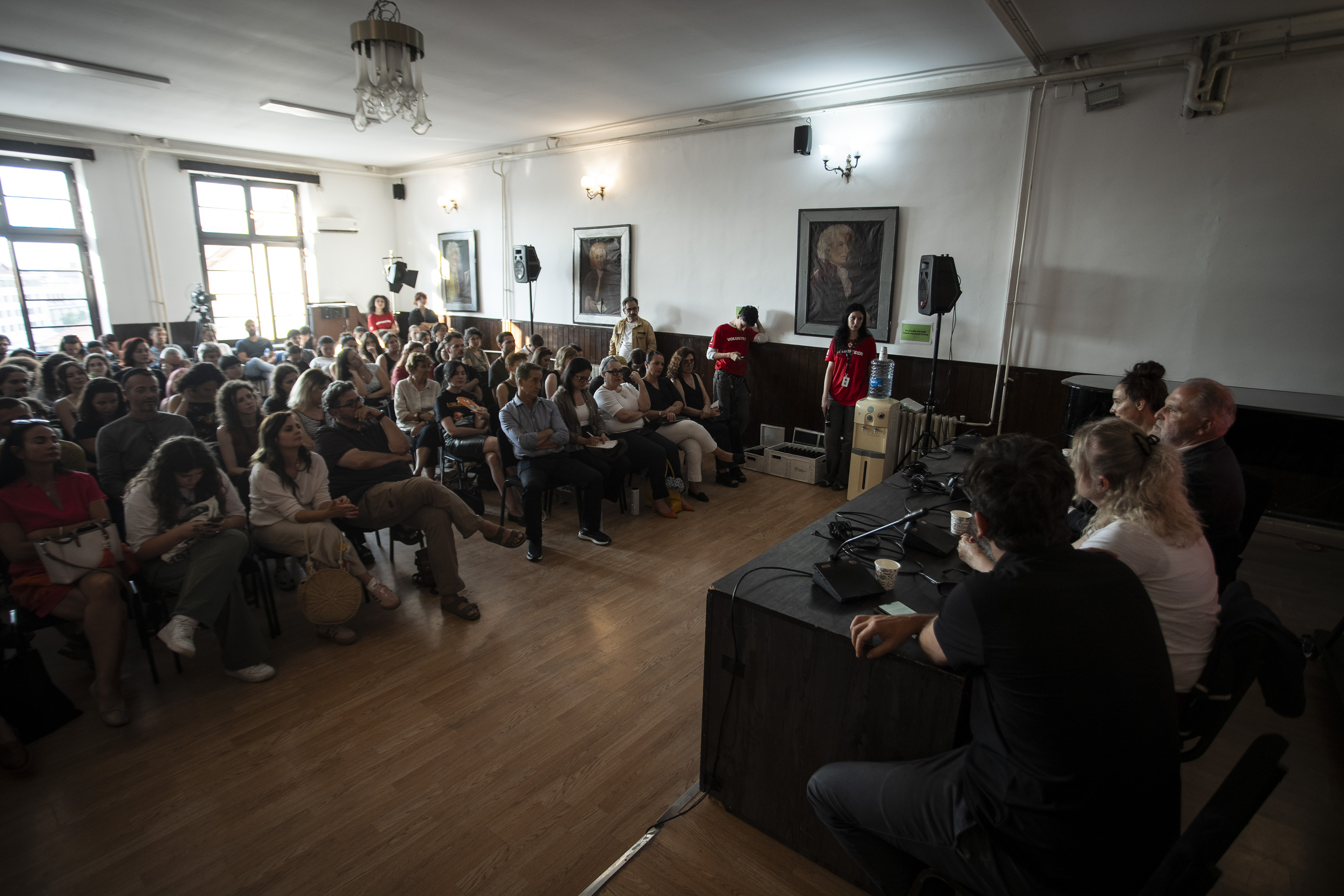
Cover photo: Ferdi Limani
Të dy aktivitetet kontribuan në objektivin e projektit për forcimin e të kuptuarit të drejtësisë tranzicionale dhe mbështetjen e edukimit dhe dialogut publik mbi drejtësinë, kujtesën dhe përgjegjësinë.
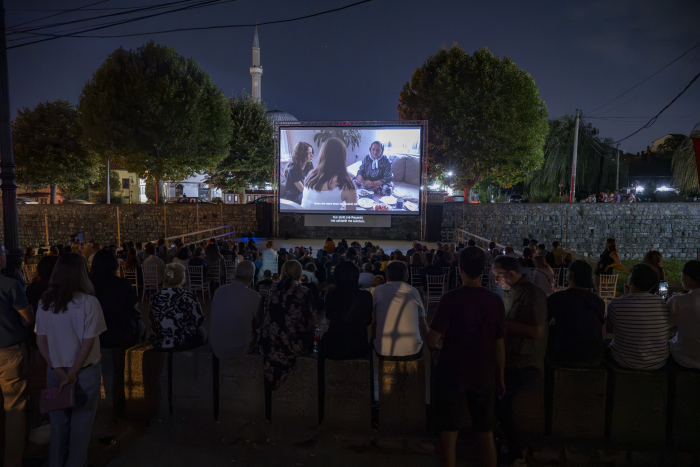
Një diskutim publik në panel i titulluar "Përtej Heshtjes" u mbajt si pjesë e programit të DokuFest "Përballja me të kaluarën", i cili trajtoi gjyqet dhe llogaridhënien për krime të lidhura me konfliktin, proceset e kërkimit të së vërtetës në Ballkanin Perëndimor, rolin dhe kufizimet e mekanizmave ndërkombëtarë të drejtësisë dhe marrëdhënien midis konfliktit të kaluar dhe realiteteve të tanishme politike dhe shoqërore.
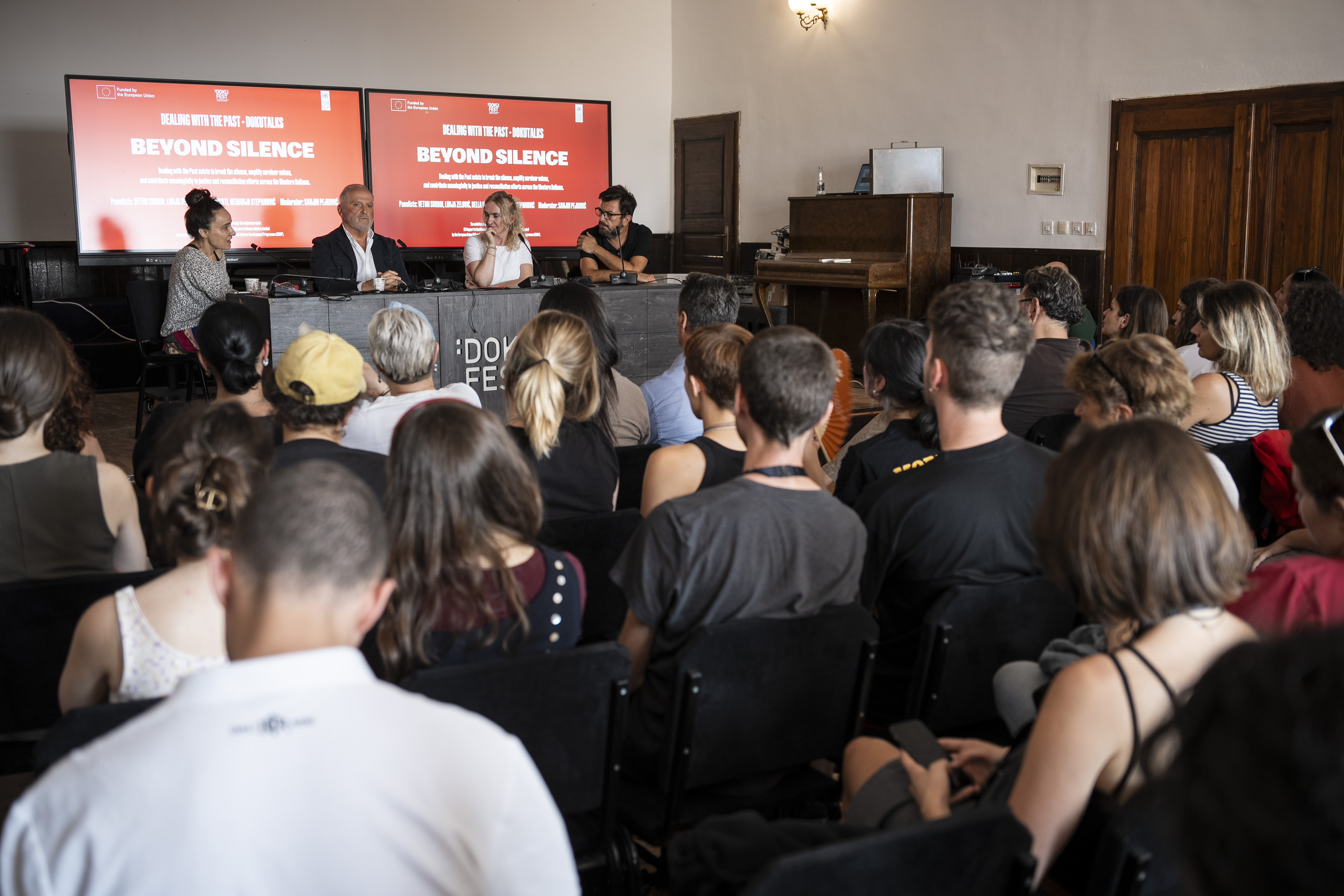
Pikat kryesore tematike të ngritura nga folësit përfshinin: (a) ndikimin e vazhdueshëm të konfliktit të pazgjidhur në jetën publike aktuale dhe diskursin politik, (b) shqetësimet në lidhje me mospërputhjen dhe selektivitetin në qasjet ndërkombëtare ndaj përgjegjësisë për krimet e lidhura me konfliktin, (c) rolin e transferimit ndërgjeneracional të narrativave dhe qëndrimeve, duke përfshirë ndikimin e familjeve dhe mjediseve arsimore, dhe (d) rolin e filmit dhe rrëfimit të historive si mjete për reflektim dhe dokumentim, pa i pozicionuar ato si instrumente të drejtpërdrejta të rezultateve të pajtimit. Aktiviteti u zhvillua si një ngjarje publike dhe shërbeu si një forum i hapur për angazhimin e audiencës me temat e drejtësisë tranzicionale përmes diskutimit.
Shiko këtu DokuTalk, Përtej heshtjes
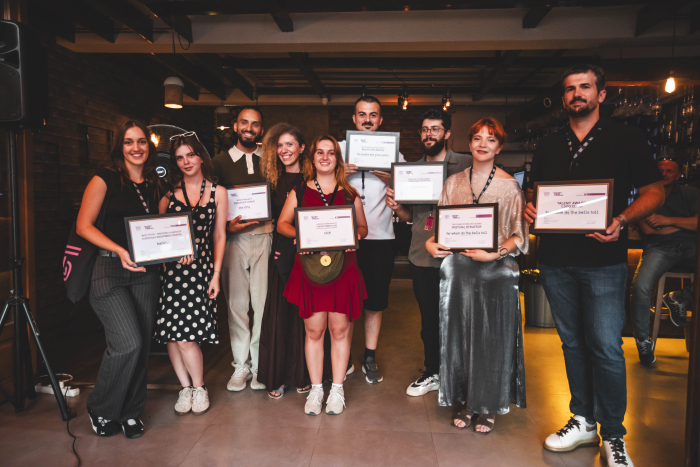
Në bashkëpunim me HLC Kosova, DokuFest gjithashtu zhvilloi një seri punëtorish trajnimi për mësimdhënës brenda kornizës së projektit. Gjithsej morën pjesë 49 mësues të shkollave të mesme nga 14 komuna, duke përfaqësuar komunitetet shqiptare dhe boshnjake. Trajnimet prezantuan konceptet kryesore të drejtësisë tranzicionale, duke përfshirë kujtesën, të vërtetën, llogaridhënien dhe përgjegjësinë, dhe u përqendruan në mënyrën se si këto tema mund të trajtohen në mjediset shkollore në një mënyrë të ekuilibruar dhe gjithëpërfshirëse.
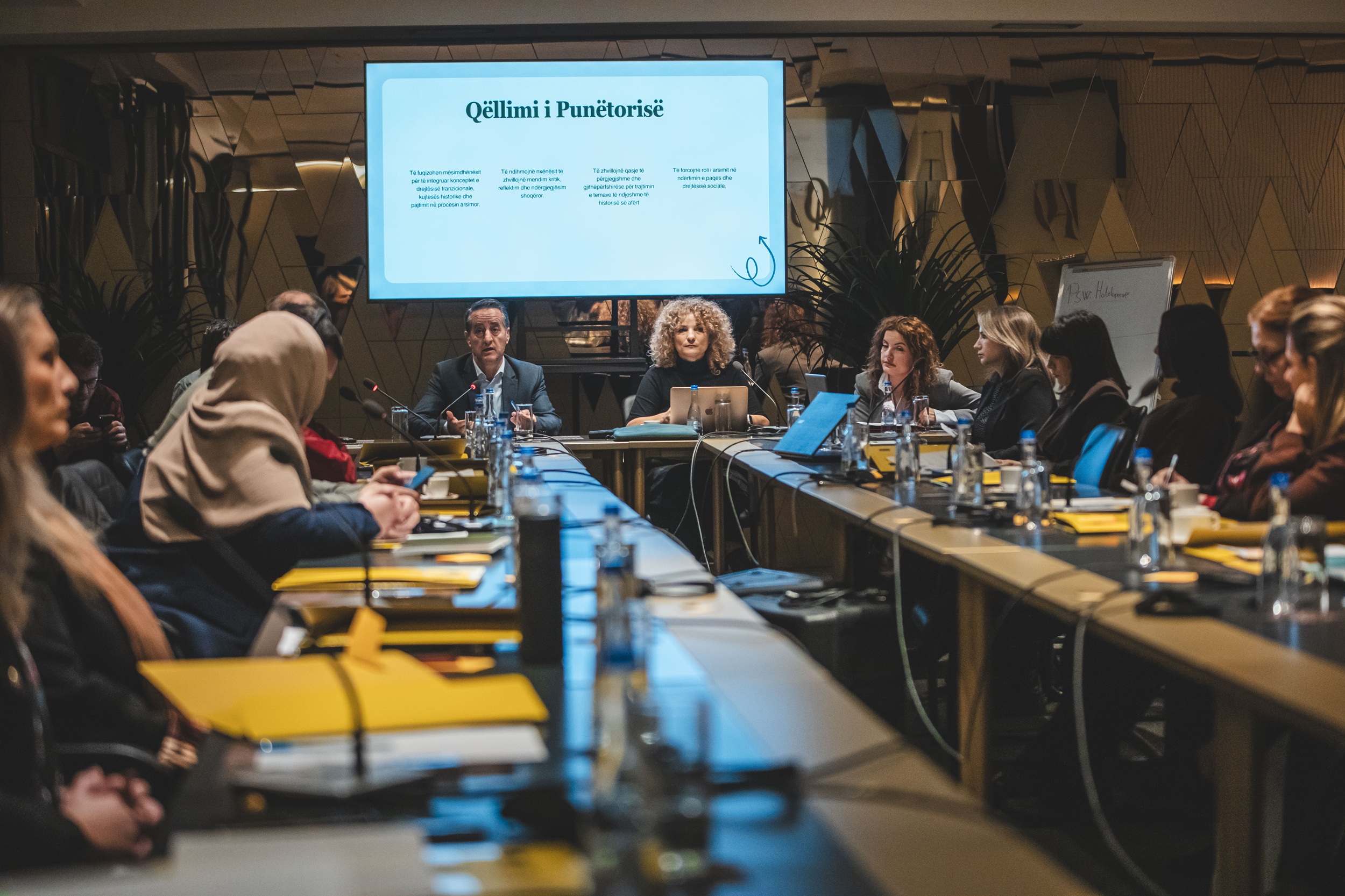
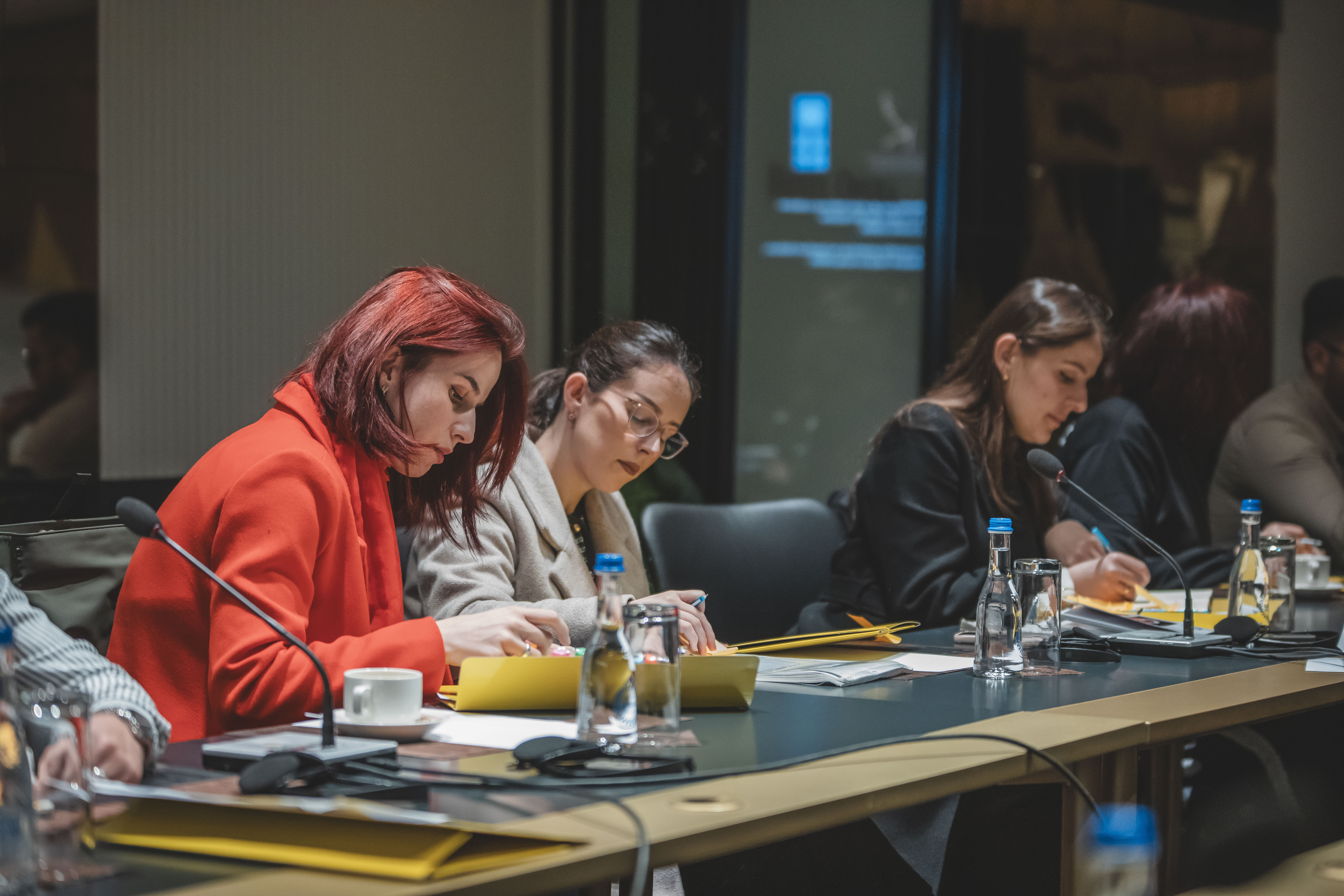
Metodologjia e trajnimit kombinoi kontributin konceptual me praktikën e orientuar në klasë. Sesionet trajtuan se si mësuesit mund të menaxhojnë tema të ndjeshme historike dhe të lehtësojnë diskutimet në mënyra që zvogëlojnë polarizimin, mbështesin pjesëmarrjen me respekt dhe krijojnë një mjedis të sigurt mësimor për nxënësit. Mësuesit punuan mbi qasje praktike për trajtimin e pyetjeve të vështira, drejtimin e dialogut në klasë dhe lidhjen e temave të drejtësisë tranzicionale me rezultatet e të nxënit të edukimit qytetar dhe të drejtave të njeriut.
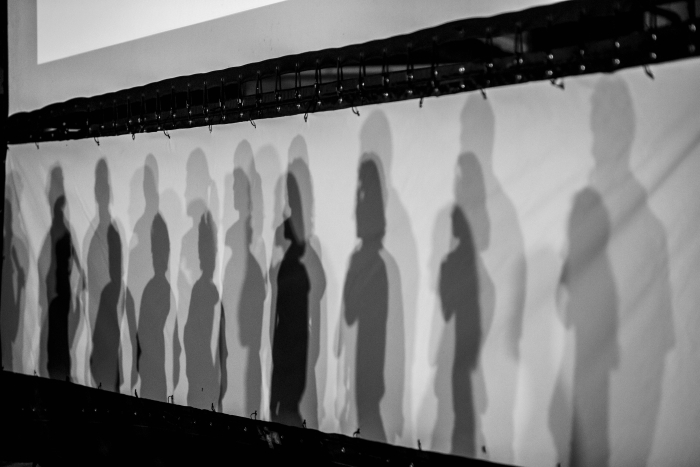
Materialet audiovizuale u përdorën si pjesë e qasjes së trajnimit. Pjesëmarrësit shikuan dokumentarin THE WALL, i cili përshkruan ndarjen e vazhdueshme të nxënësve shqiptarë dhe serbë në një kontekst shkollor, dhe e përdorën filmin si bazë për diskutim të strukturuar dhe planifikim mësimor. Mësuesit më pas punuan në grupe për të zhvilluar fleta pune për njësi mësimore, duke përshtatur temat e filmit, të tilla si segregacioni, kujtesa dhe ndikimi i konfliktit në arsim, në materiale mësimore të përputhura me lëndë të ndryshme. Rezultatet e prodhuara gjatë punëtorive janë planifikuar të vihen në dispozicion përmes Bibliotekës Digjitale të Mësimdhënësve të DokuFest, duke mbështetur përdorimin afatgjatë nga mësimdhënësit përtej sesioneve të trajnimit.
Lexo më shumë rreth aktivitetit
Aktiviteti është bërë i mundur me ndihmën e projektit rajonal Mbështetja e BE-së për Ndërtimin e Besimit në Ballkanin Perëndimor, i cili financohet nga Bashkimi Evropian (BE) dhe zbatohet nga Programi i Kombeve të Bashkuara për Zhvillim (UNDP).