September 17, 2026
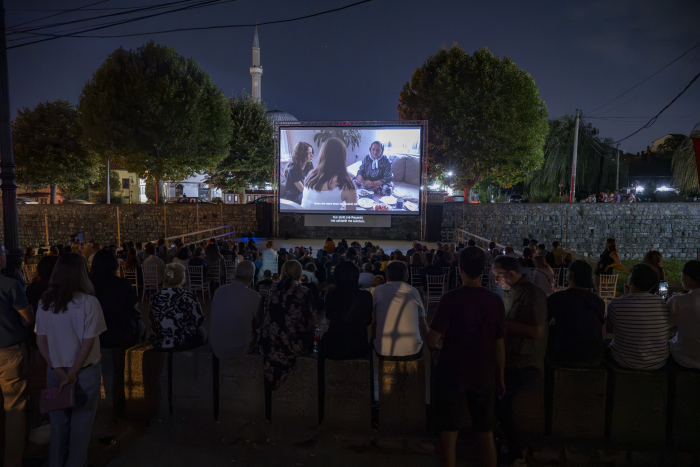
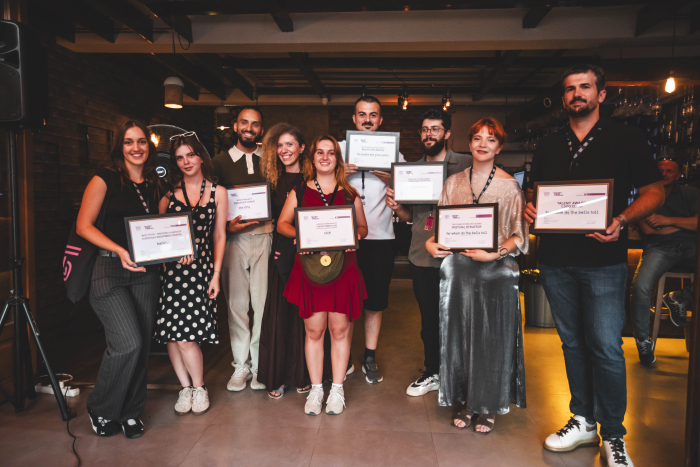
On August 12, Kino Lumi hosted a sold-out premiere of two editions of Re:Connect as part of DokuFest. For the young filmmakers, it was a chance to see their work on the big screen for the first time, after a process of workshops, research, collaboration and mentorship.
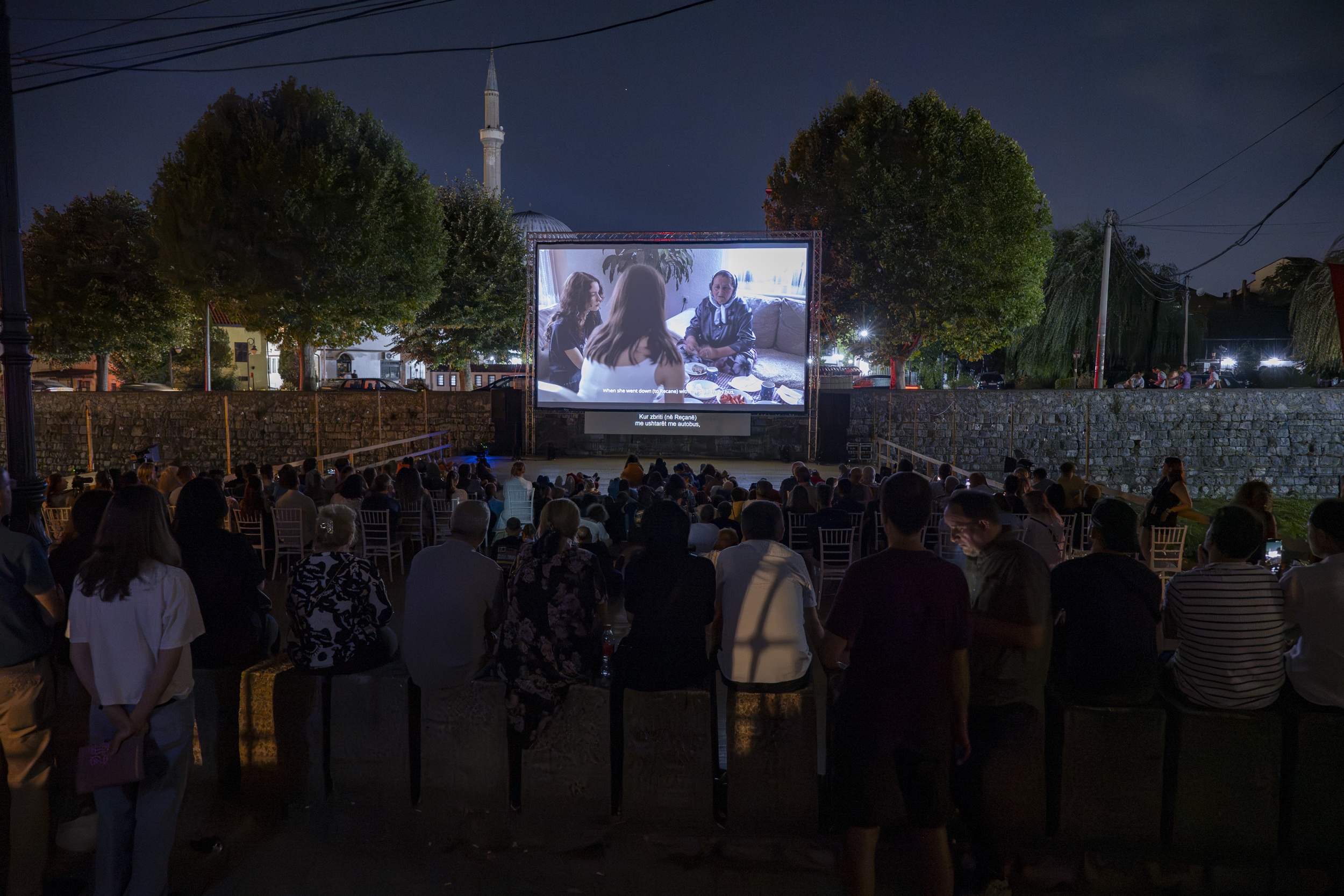
Photo: Tughan Anit
All of the directors joined an open Q&A after the screening, sharing the ideas, experiences and decisions behind their films. The conversation moved between the personal stories at the centre of the films and the questions they raise about identity, belonging, memory, migration and home.
Developed by DokuFest and Kino Kosova, Re:Connect brings young people from Kosovo and Switzerland together through collaborative filmmaking. The programme began with a question: how can young people explore their relationship with Kosovo and with each other on their own terms?
For members of the Kosovar diaspora in Switzerland, that relationship can be shaped by family stories, language, summer visits and memories passed between generations. For others, it can be more distant or complex. Participants living in Kosovo also bring their own perceptions of Switzerland and the diaspora, shaped by migration, family connections and expectations of life abroad.
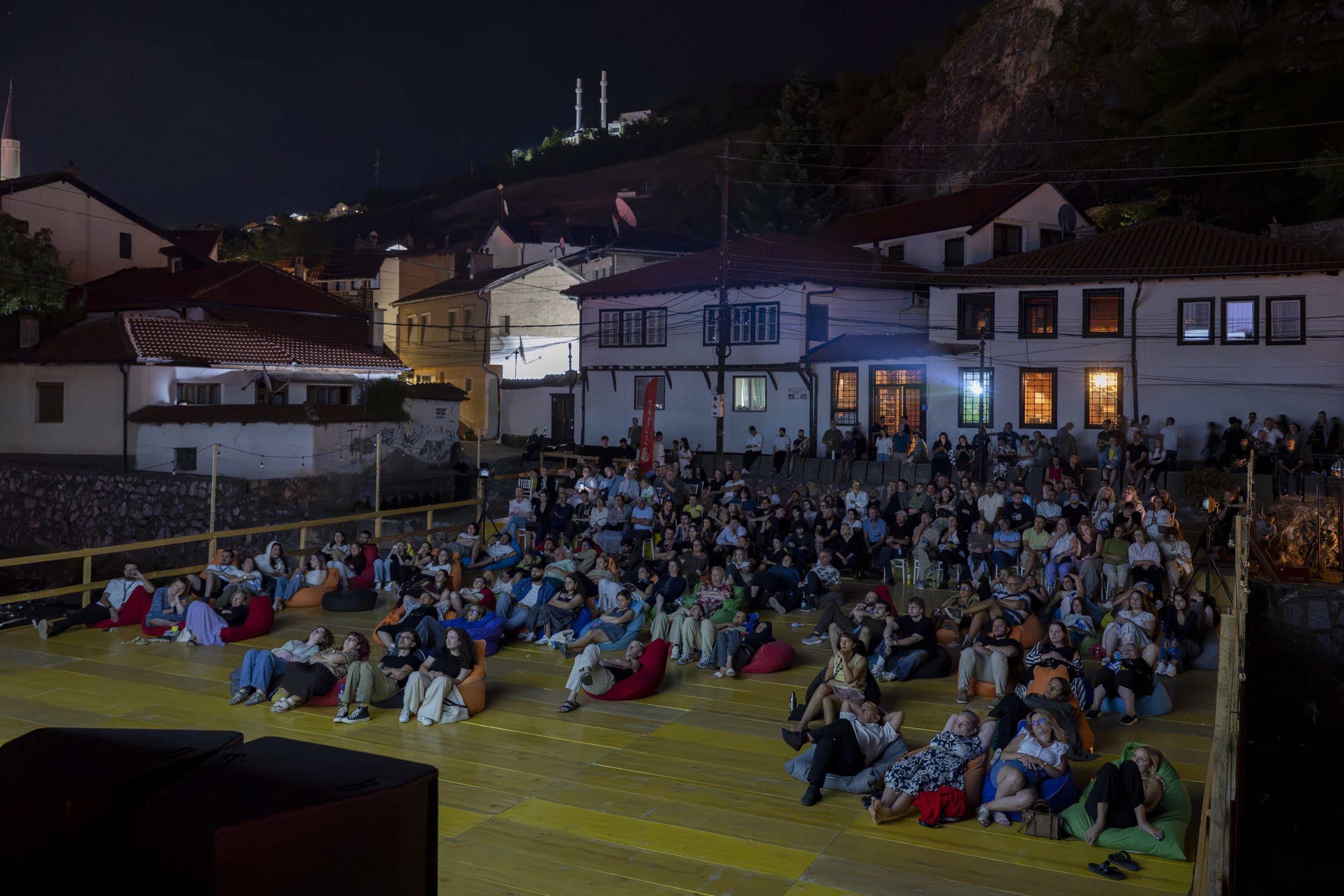
Re:Connect gives participants room to question those ideas and explore them through images, places, memories and encounters. Making films together means listening to one another, negotiating differences and making creative decisions as a group.
The first edition was a pilot, bringing together young people from Kosovo and the Kosovar diaspora in Switzerland. It resulted in three short documentaries, Mother – Majka, Brenda Jashtë – Inside Out and SHP(I)JA, exploring family, migration, memory, home and belonging.
The second edition built on that experience and opened the programme to young people from different cultural backgrounds. Sixteen participants from Kosovo and Switzerland worked through the different stages of filmmaking, from research and story development to shooting, sound and editing.
Across the two editions, the programme has now produced eleven films. While the stories differ widely, they share an interest in the ways people understand where they come from, where they belong and how their sense of home can change through distance, relationships and experience.
Learning to make these films also means learning how to approach another person’s life with care. Participants research and develop their stories while thinking about the responsibility that comes with representing someone on screen. Working in mixed groups means that ideas inevitably change. A different perspective can redirect a story, and an unexpected encounter can reshape a film. The participants have to work through those choices together.
Alongside practical skills in storytelling, camera, sound and editing, they gain experience of sharing responsibility and working with people whose perspectives may differ from their own. Those relationships can become friendships or lead to collaborations beyond the programme.
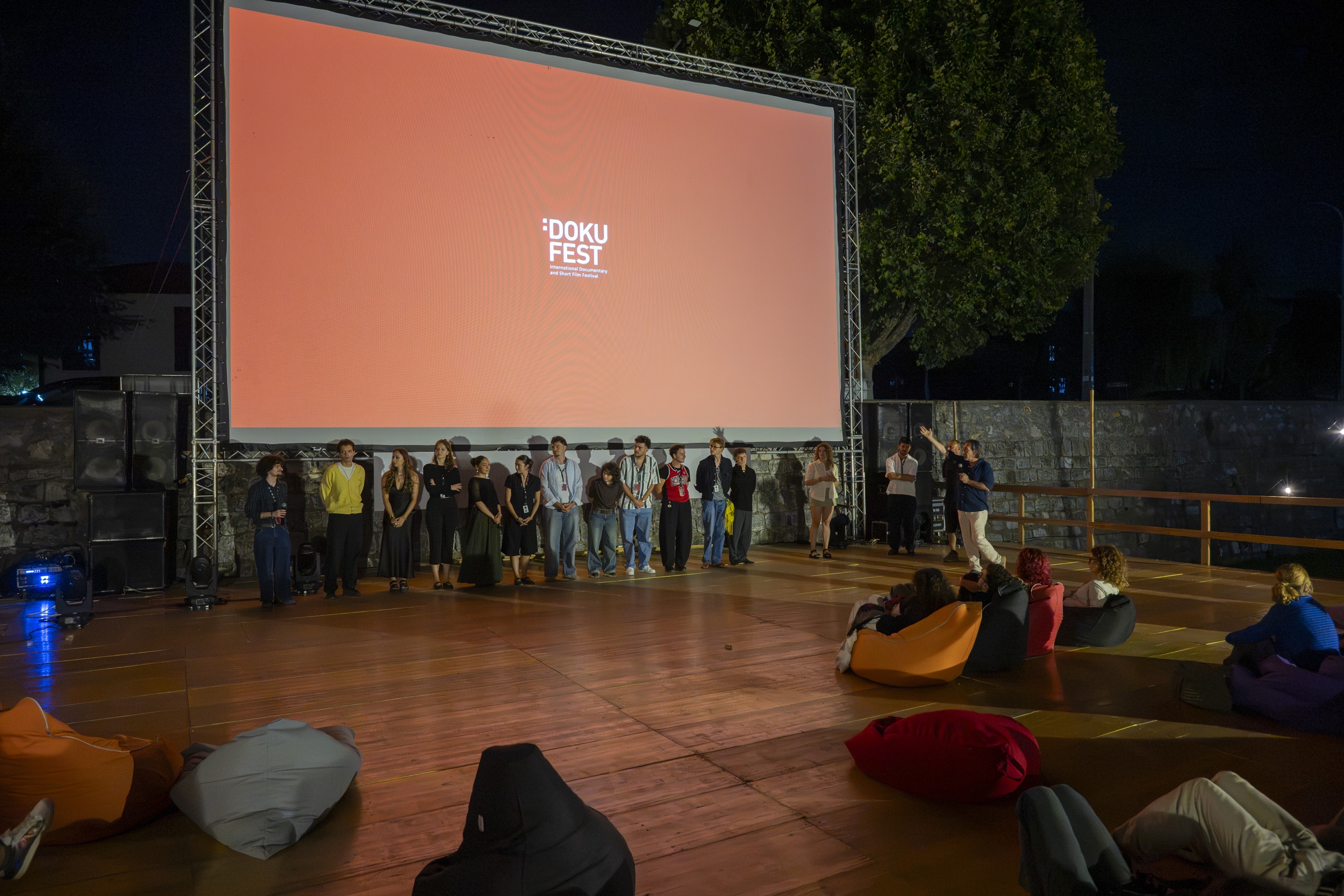
Public screenings are part of this learning process. Through DokuFest in Prizren and Kino Kosova’s programme in Bern, the films reach audiences in both Kosovo and Switzerland. The filmmakers get to hear how people respond to their work, including what they recognise in it from their own lives. At Kino Lumi, the Q&A gave them that opportunity, opening up the stories to the people who had come to watch.
Re:Connect 2026 – Exploring Identity Through Collaborative Filmmaking is supported by Movetia and the Swiss Federal Department of Foreign Affairs, through the Swiss Embassy in Kosovo.